
Upgrading Your Home: A Guide to the Top Elevator Companies in Dallas
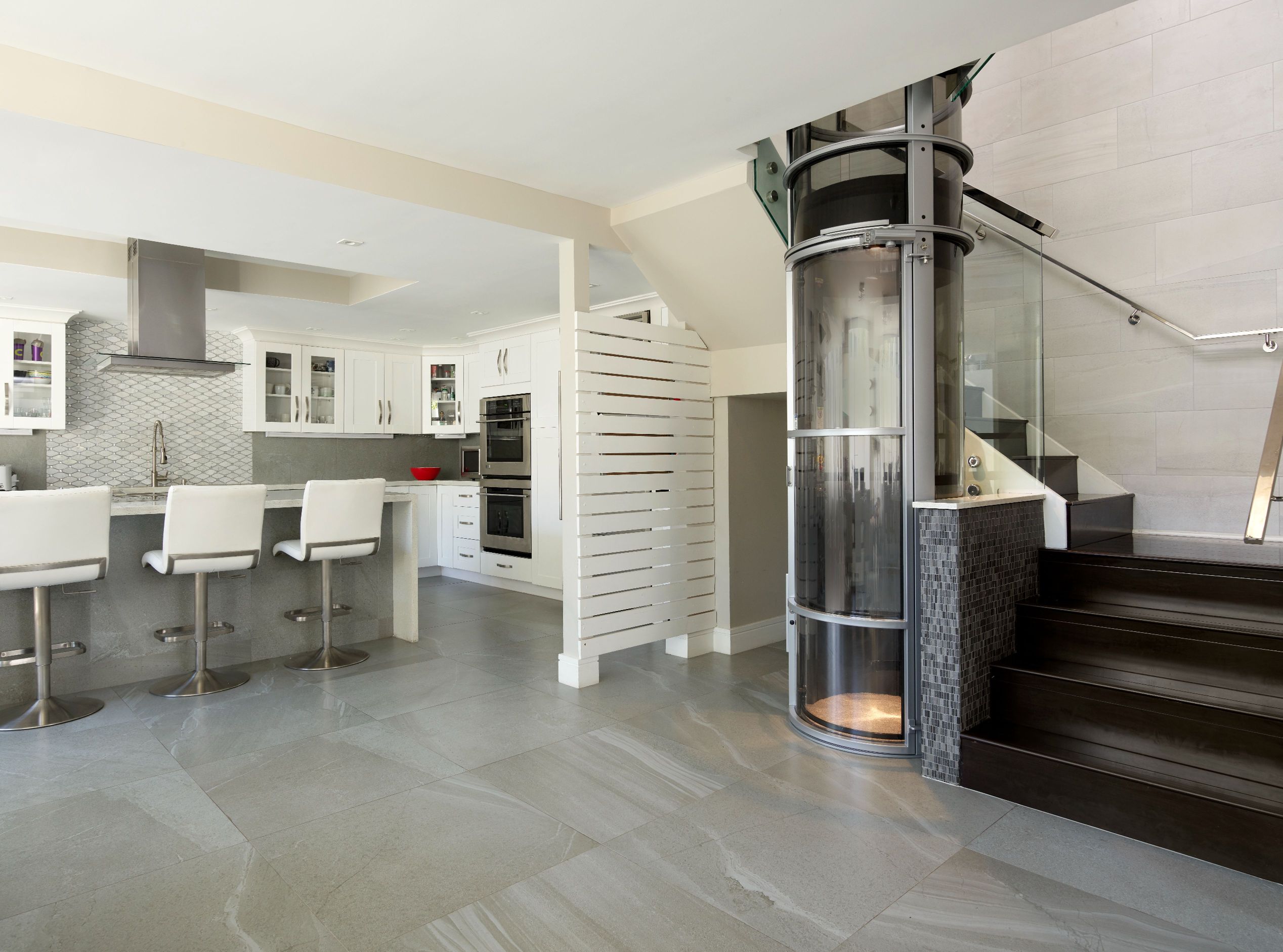
A residential elevator isn’t just about convenience. It makes the little things easier. Carrying groceries upstairs, doing laundry, or getting to bed after a knee replacement no longer feels like a challenge. The key is choosing a company that specialises in residential elevators, not one that installs them only occasionally.
This guide explains what to look for when comparing elevator companies in Dallas, the differences among leading residential elevator brands such as Bruno, Savaria, Cambridge, and Handicare, and what to expect during installation.
Why More Dallas Homeowners Are Adding Elevators
More Dallas homeowners are adding residential elevators to stay in the homes they love without letting stairs limit how they live. For some, it’s about planning ahead. For others, it’s about making everyday life easier now or adding long-term value during a remodel or new build.
Some of the most common reasons include:
- Aging: Many families install an elevator so parents or grandparents can remain at home instead of moving to an assisted living community.
- Making daily life easier: Carrying groceries, laundry, luggage, or other heavy items between floors gets old, especially in larger two- and three-story homes.
- Building or remodelling: If you’re already renovating or building a new home, adding an elevator is far easier and more cost-effective than installing one later.
- Protecting resale value: In many Dallas neighborhoods, buyers increasingly see a home elevator as a thoughtful long-term feature rather than an unnecessary luxury.
- Future-proofing the home: Even homeowners who don’t need an elevator today often install one so the house continues to work for their family in the years ahead.
What Can a Home Elevator Do That a Stair Lift Can’t?
A home elevator can carry people, wheelchairs, walkers, groceries, laundry, and other bulky items between floors in one trip. While a stair lift helps one person use the stairs, an elevator offers more space, greater convenience, and easier access for the whole household.
Some of the biggest differences include:
- More room: A home elevator can accommodate a wheelchair, walker, luggage, groceries, or laundry, while a stair lift is designed for one seated passenger.
- Better accessibility: Elevators make every floor easier to reach for family members, visitors, and caregivers, not just the person using the lift.
- Everyday convenience: Moving heavy or bulky items between floors becomes much easier without multiple trips.
- Built-in safety features. Residential elevators include safety features such as emergency brakes, door interlocks, and battery backup to help ensure safe operation, even during a power outage.
- Long-term flexibility. As your family’s needs change, a home elevator can continue to serve everyone in the house, not just someone with limited mobility.
What Separates the Best Elevator Companies in Dallas?
The best elevator companies in Dallas do more than install equipment. They specialize in residential elevators, understand local building requirements, offer ongoing service, and provide clear, detailed proposals before work begins.
When comparing companies, look for these qualities:
- Residential expertise: Installing a home elevator is very different from installing a commercial one. Choose a company that works on residential projects every day and understands the challenges of fitting an elevator into an existing home.
- Proper licensing and manufacturer training: A reputable installer should have the required Texas licenses and technicians trained to install and service the elevator brands they sell.
- Experience with local permits: Every city has its own permitting and inspection process. A company that’s familiar with Dallas, Fort Worth, and surrounding communities can usually keep your project moving without unnecessary delays.
- Service after installation: A home elevator needs routine maintenance to keep it running safely and reliably. Ask whether the company offers ongoing service, inspections, and repairs after the installation is complete.
- Clear written pricing: You should receive a detailed proposal that explains what’s included, from the elevator itself to construction, permits, and installation. Clear pricing helps you avoid surprises later.

Choosing the Right Elevator for Your Home
The right home elevator depends on your mobility needs and the type of installation required. A professional installer will evaluate your space, recommend a system that fits your needs, and explain the options before you make a decision.
Here are the main factors to consider:
- Available space: The amount of space in your home helps determine which type of elevator is the best fit.
- Elevator location: Where the elevator is installed affects the amount of space you will need, construction requirements, and overall convenience.
- Number of floors: The number of stops influences the elevator system, installation process, and overall cost.
- Budget: Consider the total investment, including the elevator, installation, permits, and future maintenance.
- How you’ll use it: An elevator used daily for accessibility needs may require different features than one used mainly for convenience.
- Future plans: If you plan to stay in your home for years to come, choosing a system that supports aging in place can save you from making costly changes later.
Types of Residential Elevators
Each system has its own advantages, so the right choice is the one that fits both your home and the way you will use it.
Here are the most common options:
- Pneumatic vacuum elevators: These self-contained elevators use air pressure to move between floors, making them a good choice for homes with limited space or where adding a traditional elevator shaft isn’t practical. They also require minimal construction compared to many other systems.
- Traditional shaft elevators: These are the most common residential elevators for new homes and major renovations. They travel inside a built elevator shaft, offer the largest cab sizes, and are ideal for homeowners who want a long-term accessibility solution or need space for a wheelchair or walker.
- Machine-Room-Less (MRL) elevators: MRL elevators don’t require a separate machine room, helping save space while still delivering a smooth, quiet ride. They’re a popular option for homeowners who want the look and performance of a traditional elevator with a more compact design.
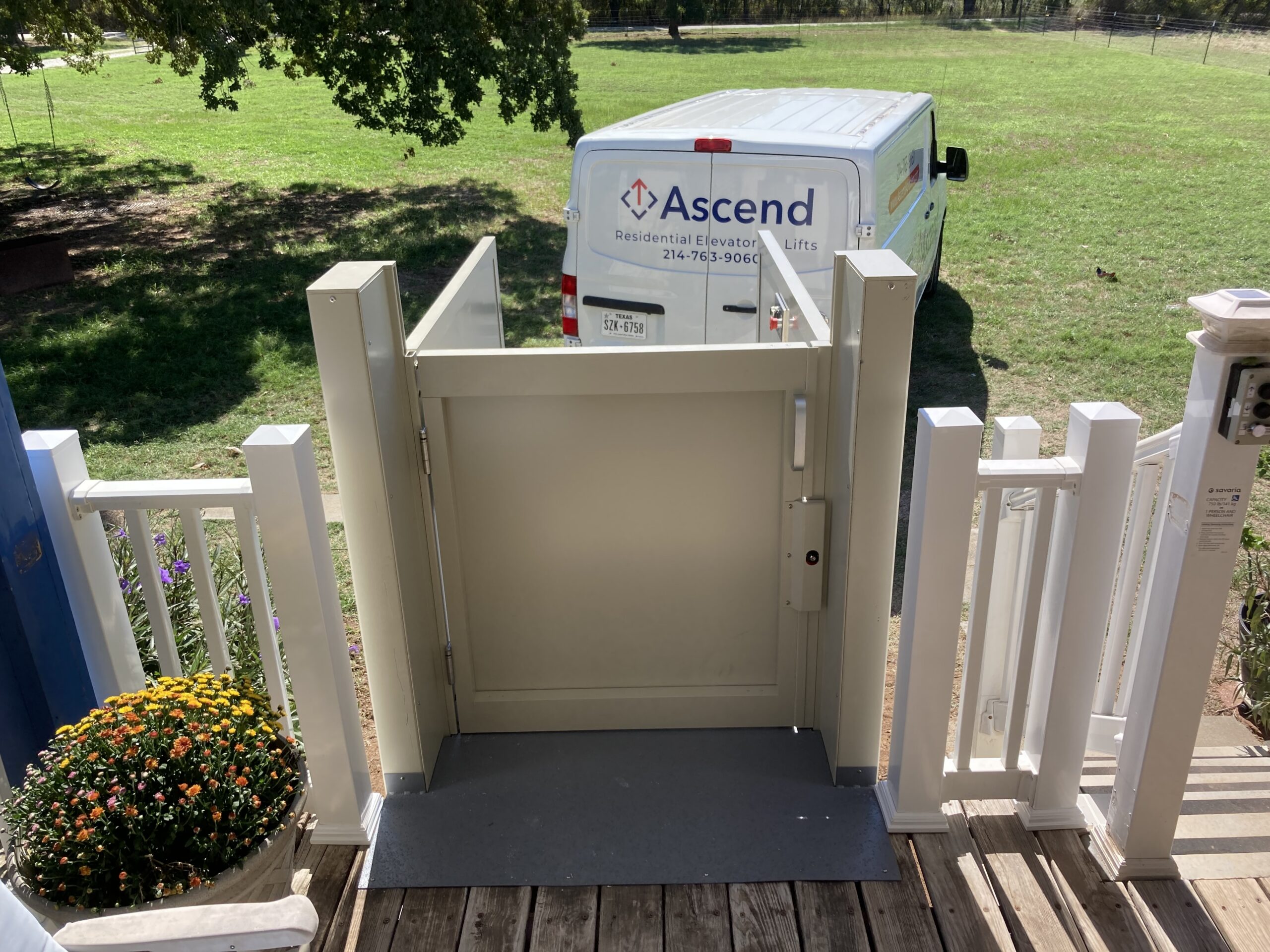
- Platform lifts: While not a traditional home elevator, platform lifts are often recommended for short vertical rises, such as a few steps leading to an entryway, garage, or porch. They provide wheelchair access without the cost or construction involved in installing a full residential elevator.
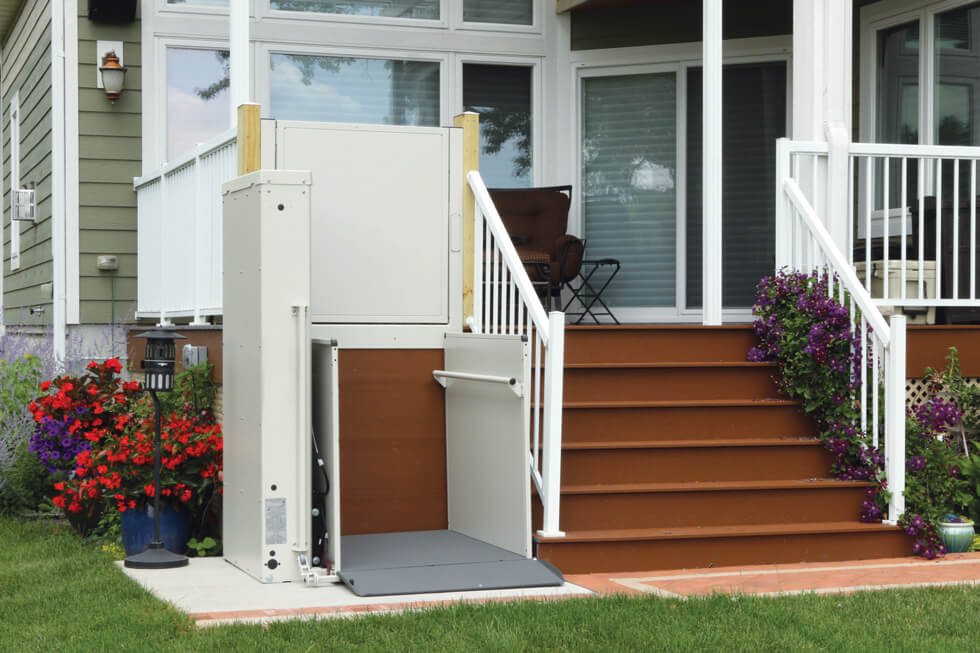
Meet Ascend Residential Elevators and Lifts
We’re based in Carrollton and work across the full DFW Metroplex, from Dallas and Fort Worth out to Frisco, McKinney, Southlake, and the smaller communities in between. Unlike shops that split their time between commercial contracts and residential jobs, we only do homes, and that focus shows up in the details: how wiring gets routed around existing framing, how a cab finish gets matched to a client’s existing millwork, how a project gets talked through with an architect instead of around one.
We’re an authorized distributor for PVE pneumatic vacuum elevators, Cambridge Elevators, Savaria, and we’ve partnered directly with Bruno and Handicare, which means we’re not steering every homeowner toward whichever single brand we happen to carry.
Every project starts with a real conversation about your home and your goals, then moves through design, permitting, construction coordination, installation, and the maintenance relationship that follows, handled in house rather than handed off to a subcontractor once the truck pulls away. If you’re comparing Dallas home elevator installation services, ask any company you’re considering how many of those steps they actually perform themselves versus subcontract out.
Matching the Manufacturer to the Home
Every home elevator installation starts the same way for us: matching the right manufacturer to your actual floor plan, not pushing whichever brand is easiest to sell. Here’s how the major players stack up.
Traditional cable and hydraulic elevators.
These are the workhorses for larger new construction projects where a shaft and machine room are already part of the design. They deliver the smoothest ride and the highest weight capacity of any residential system, which is why they still show up in bigger custom builds.
Savaria Orion LULA elevators.
Savaria’s Orion is a limited use, limited application elevator built for homes that need a compact footprint without giving up capacity. It’s a strong fit for tighter floor plans that still need to move a wheelchair comfortably between floors.
Cambridge pneumatic vacuum elevators.
Cambridge builds some of the most recognizable vacuum elevators on the market. They run on air pressure differences instead of cables, need almost no pit, and install with minimal structural disruption. Homeowners in older Dallas neighborhoods who don’t want to gut a staircase tend to gravitate toward this option first.
Handicare patient lifts.
For homeowners managing more advanced mobility needs, Handicare’s patient lift systems support safe transfers where a full elevator isn’t the immediate need, but daily lifting assistance is.
What Installation With Ascend Actually Looks Like
Most residential installs across the Metroplex run two to six weeks depending on the system and how much structural work is involved. Here’s the sequence:
- Free consultation and site evaluation: We walk your home with you and talk through what you actually need, not just what’s technically possible.
- Design and engineering: Our team builds a plan specific to your property and works directly with your contractor or architect if you have one.
- Permitting: We pull the permits and manage inspections across Dallas, Fort Worth, Collin, Denton, and the surrounding counties.
- Construction and shaft preparation: Framing, pit work, and landing prep happen on the timeline set at the start, not a moving target.
- Installation: Components go in, get tested, and every safety system gets verified before we call it done.
- Final walkthrough and training: We show you and anyone else in the household exactly how to use and maintain the system.