
Complete Guide to Home Elevators vs. Stairlifts for Dallas Homes
If you or someone in your family is having a harder time navigating the stairs, you’re not alone — and you don’t have to choose between staying safe and staying in the home you love. Two of the most popular solutions for Dallas homeowners are residential elevators and stairlifts. Both can transform a multi-story home into a safer, more accessible space, but they work very differently and suit different needs, budgets, and long-term plans.
This guide walks you through everything you need to know about residential elevators vs. stairlifts — so you can make a confident, informed decision for your home, your family, and the years ahead.
What Is a Residential Elevator?
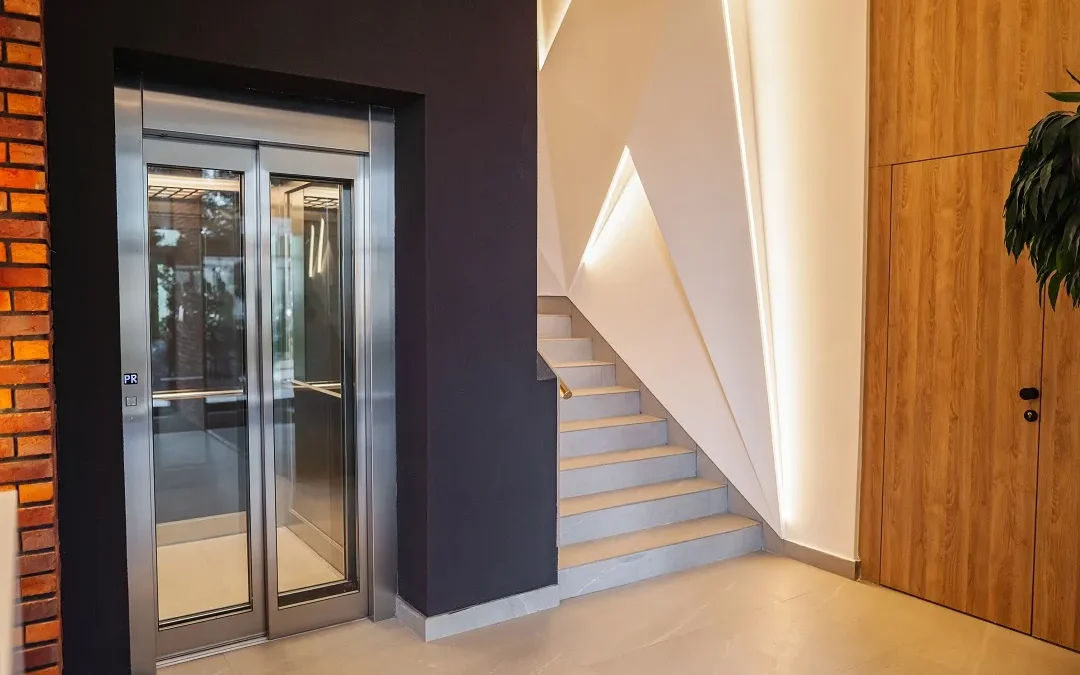
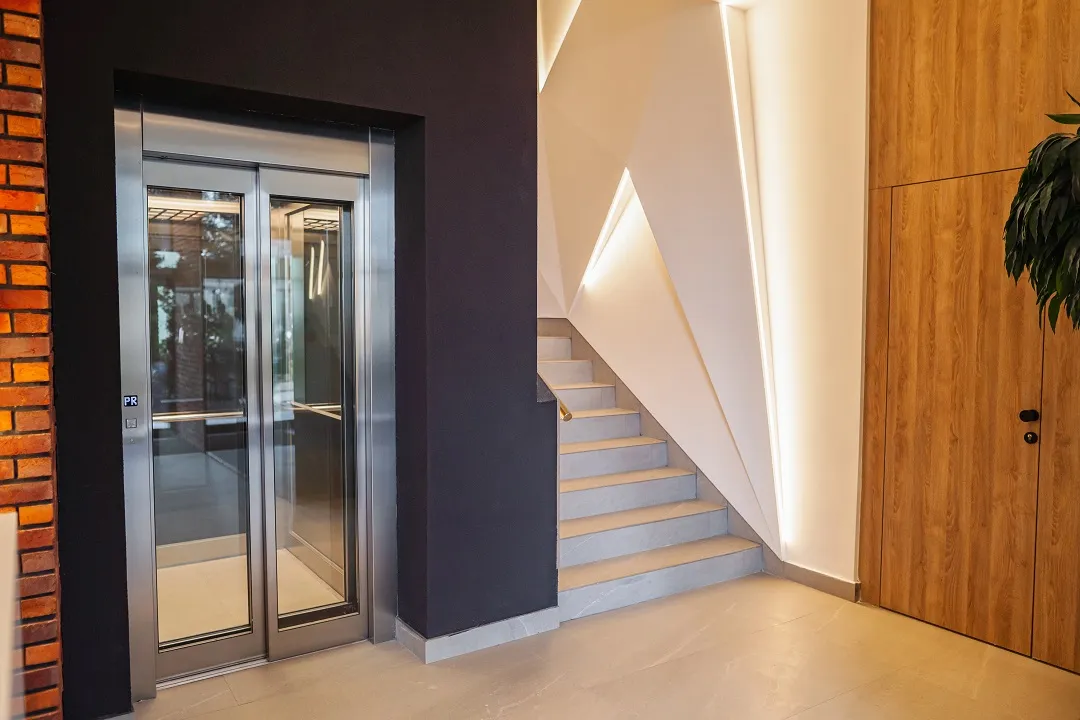
A residential elevator is an enclosed lift system that moves between floors inside your home — just like a commercial elevator, but designed specifically for residential use. Modern residential elevator lifts are quieter, more compact, and more stylish than most people expect. They can accommodate wheelchairs, walkers, groceries, and even multiple passengers at once.
There are several types of residential elevators available in Dallas, TX:
- Pneumatic vacuum elevators — use air pressure to lift the cab, no pit or machine room required
- Hydraulic elevators — powered by a fluid-driven piston, smooth and reliable
- Traction/cable elevators — traditional cable-driven systems with a compact footprint
- Shaftless elevators — install directly between floors without a traditional dedicated shaft
At Ascend Residential Elevators, we carry leading brands including Savaria, PVE (pneumatic vacuum elevators), Bruno Connect, and Cambridge Elevators — giving Dallas homeowners access to some of the most trusted names in residential elevator installation.
What Is a Stairlift?
A stairlift is a motorized chair or platform that travels along a rail mounted directly to your staircase, carrying a rider safely up or down the stairs while seated. They’re available for straight staircases, curved staircases, and even outdoor steps.
Stairlifts are a practical option when the primary goal is safe passage on an existing staircase with minimal disruption to your home. Installation is fast — typically a few hours for a straight stairlift — and the structural impact on your home is minimal.
Ascend offers stair lifts for homes from Bruno, one of the most trusted names in the industry, including straight-rail models, custom curved stairlift tracks, and outdoor installations throughout the DFW area.
Residential Elevators vs. Stairlifts: Key Differences
Cost
Cost is often the first question Dallas homeowners ask, and it’s a meaningful distinction between the two options.
Stairlifts are the more affordable upfront choice. A standard straight stairlift typically ranges from $4,000 to $10,000, while custom curved stairlifts can run $10,000 to $20,000 depending on track complexity.
Residential elevators require a larger initial investment — typically $20,000 to $50,000 for a full installation. However, a home elevator can significantly increase your home’s resale value, making it an investment rather than just an expense. Ascend also offers financing options to make residential elevator installation in the Dallas–Fort Worth area more accessible for families of all budgets.
Installation Timeline
A straight stairlift can often be installed in a single day. Curved models may take 4–8 hours depending on track complexity.
Residential elevator installation typically takes 3 to 5 days once the site is prepared. Depending on the elevator type, your home may need minor structural work, electrical upgrades, or a dedicated shaft. Our certified technicians handle the full process — from the initial home evaluation to permits, installation, and post-install testing — so there are no surprises.
Space Requirements
Stairlifts attach to your staircase and require no major renovations, though they do narrow the usable staircase width, which can matter in tighter homes.
Residential elevators require dedicated space, but often less than you’d expect. Pneumatic vacuum elevators, for example, need no pit and no machine room, and can fit in a footprint as small as 28 inches in diameter. Many Dallas homeowners find space in a corner, a hallway nook, or a spot adjacent to an existing staircase without any major renovation.
Accessibility and Wheelchair Use
This is where residential elevators and stairlifts differ most. Stairlifts are designed for individuals who can sit in a chair and safely transfer on and off the seat at each landing. If you or a family member uses a wheelchair or mobility scooter, a stairlift alone likely won’t meet your full accessibility needs.
A residential elevator is fully wheelchair accessible and transports riders directly from one floor to another with no transfers required. For complete home accessibility — especially for wheelchair users or those with progressive mobility conditions — an elevator is the clear long-term solution.
Safety Features
Both options come with strong safety features, designed for their specific use case.
Stairlifts include seat belts, swivel seats, footrest sensors, obstruction detection systems, and battery backup so they keep working even during power outages — a smart feature in Texas where weather can disrupt power unexpectedly.
Residential elevators include enclosed cabins, automatic doors with interlock systems, emergency stop buttons, backup power, load sensors, and adjustable speed controls. The Bruno Connect features an intelligent diagnostic interface that monitors the elevator’s performance and simplifies servicing — giving both homeowners and technicians real-time visibility.
Long-Term Maintenance
Stairlifts are relatively low-maintenance: annual servicing, occasional track cleaning, and battery replacement as needed. A quality stairlift can last 10–15 years with proper care.
Residential elevators require more regular residential elevator service — typically an annual inspection covering motors, cables, safety systems, and the cab. Ascend offers residential elevator repair and ongoing maintenance contracts throughout Dallas–Fort Worth so your investment stays protected for years to come.
Side-by-Side Comparison
|
Stairlift |
Residential Elevator |
|
|---|---|---|
|
Starting cost |
~$4,000–$10,000 |
~$20,000–$50,000 |
|
Installation time |
Hours (same day) |
3–5 days |
|
Wheelchair accessible |
No |
Yes |
|
Multi-floor capability |
Single staircase |
Multiple floors |
|
Home value impact |
Minimal |
Significant |
|
Space required |
Existing staircase |
As small as 28″ footprint |
|
Maintenance |
Low |
Moderate (annual service) |
|
Best for |
Quick, affordable access |
Long-term full accessibility |
Which Option Is Right for Your Dallas Home?
Every home — and every family — is different. Here’s a straightforward way to think through the decision:
A stairlift is likely the better fit if:
- Your primary goal is safe, seated travel on an existing staircase
- Your budget is under $15,000
- You want a fast installation with minimal construction
- You or your loved one can independently transfer on and off the seat at each landing
A residential elevator is likely the better fit if:
- Someone in the home uses a wheelchair, walker, or mobility aid
- You want a long-term aging-in-place solution that also adds resale value
- You need to transport items — groceries, laundry, medical equipment — between floors
- You want the flexibility to carry multiple people at once
- You’re planning 10–20+ years ahead and want a permanent solution
Many Dallas families start with a stairlift and later upgrade to a residential elevator as needs evolve. Either way, the right residential elevator company will walk you through both options honestly — with no pressure and no one-size-fits-all pitch.
Why Dallas Homeowners Choose Ascend
Ascend Residential Elevators is a family-owned, locally operated business based in Carrollton, TX, serving the entire Dallas–Fort Worth metro area. We’re not a national chain — we’re your neighbors, and we treat every installation like it’s going into our own family’s home.
Here’s what makes Ascend one of the most trusted residential elevator companies in Dallas, TX:
- Authorized dealers for PVE, Savaria, Cambridge Elevators, Bruno Connect, and more
- Certified elevator technicians trained to the latest industry standards
- Full-service support — from free home evaluation through installation, residential elevator service, and repair
- ADA-compliant solutions for both residential and commercial spaces
- Financing available to fit a range of budgets
- One-year labor warranty on all new installations, plus manufacturer warranties of 1–3 years
- Emergency service available — because elevator issues don’t keep business hours
Frequently Asked Questions
How long does residential elevator installation take in Dallas?
Most residential elevator installations take 3–5 days once the site is prepared. A straight stairlift can typically be installed in a single day.
Do home elevators add resale value to Dallas homes?
Yes. A residential elevator is a premium home feature that appeals to buyers planning to age in place or households with mobility needs. It can meaningfully differentiate your home in the Dallas–Fort Worth real estate market.
Can Ascend service elevators installed by another company?
Yes. Our technicians provide residential elevator repair and service for most major brands throughout the DFW area — not just units we installed.
Does Ascend offer financing for residential elevator installation?
Yes. Ascend offers a streamlined financing process to make installation more affordable. Contact us to learn more about current options.
What’s the smallest footprint for a residential elevator in Dallas?
Pneumatic vacuum elevators can be installed in as little as a 28-inch diameter footprint with no pit or machine room required — ideal for Dallas homes with limited space.
Is a stairlift or elevator better for aging in place?
Both can support aging in place, but a residential elevator offers greater long-term flexibility — especially if mobility needs change over time or wheelchair access becomes necessary.
Take the First Step — Get a Free Quote
Whether you’re leaning toward a stairlift, a pneumatic vacuum elevator, or a full residential elevator installation, the best first step is a free, no-commitment home evaluation. Our team will assess your space, explain your options clearly, and give you an honest recommendation — with no pressure and no upsell.
📞 (214) 763-9060 | Request Your Free Quote Online
Proudly serving Dallas, Fort Worth, Carrollton, and the entire DFW metro area.