
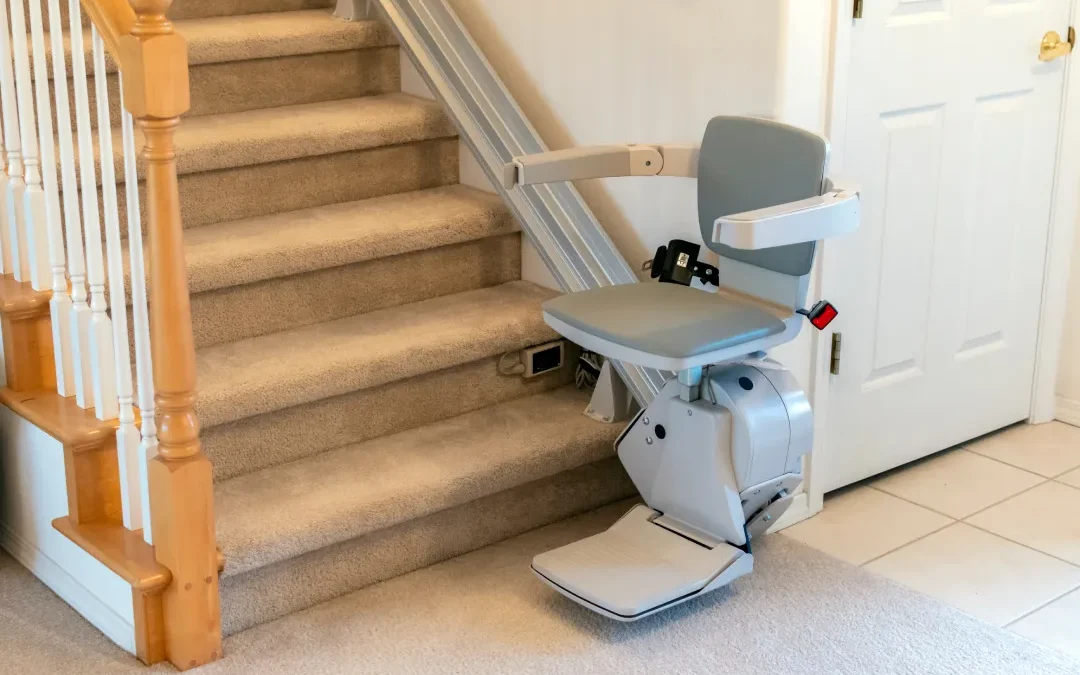
Residential Stairlifts in DFW: Finding the Right Solution for Your Home
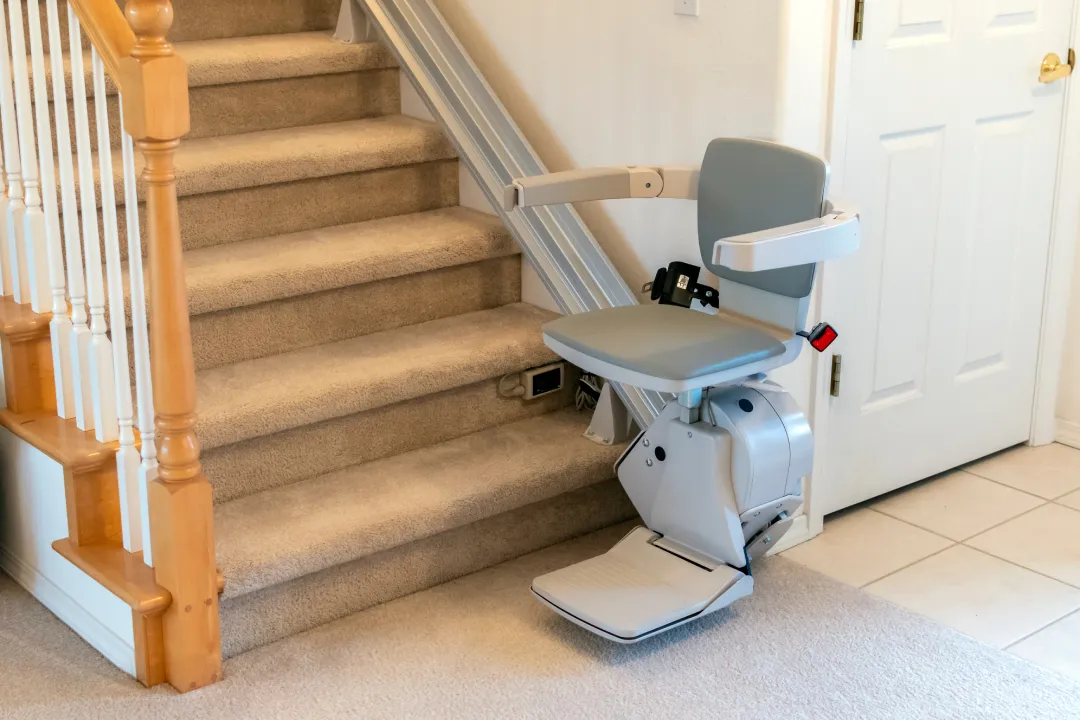
If someone in your household is struggling with the stairs, a residential stairlift can be a life-changing solution, and stairlift installation in DFW is more straightforward and affordable than most families expect. The challenge isn’t the installation itself. It’s knowing which type is right for your home, what features actually matter, and how to choose a provider you can trust.
This guide covers everything you need to make a confident decision about home stairlifts in the Dallas–Fort Worth area, from types and costs to what happens on installation day.
What Is a Stairlift and How Does It Work?
A stairlift is a motorized chair that travels along a rail mounted directly to your stair treads, not your wall, carrying a rider safely up or down the stairs while seated. The rail system attaches to the staircase itself, meaning no major structural changes to your home are needed.
Most modern stairlifts for home use run on a rechargeable battery system that keeps the lift running even during power outages, a smart feature for North Texas, where storms can cut power unexpectedly. The rider controls the lift using a rocker switch on the armrest or a handheld remote, and the chair includes a swivel seat that rotates at the top or bottom landing for safe, easy dismount.
Installation typically takes just a few hours, making it one of the fastest home accessibility upgrades available.
Types of Home Stairlifts Available in DFW
Not every staircase is the same, and not every stairlift is either. Here’s what Ascend offers for DFW homeowners:
Straight Stairlifts
If your home has a single straight staircase with no curves, landings, or turns, a straight stairlift is the most cost-effective and fastest solution. The rail is a standard pre-built design, which means installation can often be completed the same day or within a day or two of purchase. Straight stairlift installation typically takes 2–4 hours.
Curved Stairlifts
Homes with staircases that bend, curve, or include intermediate landings require a custom curved stairlift. The rail is engineered and manufactured specifically to match the exact shape of your staircase, every bend, turn, and angle, so the fit is precise and the ride is smooth. Because the rails are custom-built, the turnaround from purchase to installation is typically a few weeks. Curved stairlift installation runs 4–8 hours once the rail arrives.
Outdoor Stairlifts
Many DFW homes have exterior steps at the front entry, back porch, or garage, which can be just as challenging as indoor stairs. Outdoor stairlifts are built with weather-resistant materials, UV-protected upholstery, and corrosion-resistant components to handle Texas heat, humidity, and the occasional ice storm. They offer the same safe, seated travel as indoor models, specifically designed for exterior use.
What Does Stairlift Installation Cost in Dallas–Fort Worth?
Cost varies based on staircase type and configuration. Here’s a realistic look at pricing in the DFW market:
|
Stairlift Type |
Typical Installed Cost |
Installation Time |
|---|---|---|
|
Straight stairlift |
$3,600 – $6,000 |
2–4 hours |
|
Curved stairlift |
$10,000 – $20,000 |
4–8 hours (after custom rail delivery) |
|
Outdoor stairlift |
$4,000 – $8,000 |
2–4 hours |
Used stairlifts are also available at a lower price point, typically $1,500–$3,500 depending on age and condition, and rental options exist for shorter-term needs. These prices include professional installation by certified technicians. DIY installation is not recommended and may void your warranty.
What to Expect on Stairlift Installation Day
Knowing what happens during the installation process makes the whole experience less stressful. Here’s a typical walkthrough for a straight stairlift installation in a DFW home:
- Arrival and staircase assessment – Your Ascend technician arrives and does a final measurement of the staircase to confirm the rail configuration before unpacking equipment.
- Rail mounting – The rail is anchored directly to the stair treads — the flat surface of each step. No holes are drilled in your walls, and no structural changes are required. Most standard staircases need only be 28–32 inches wide.
- Chair and electronics installation – The motorized chair assembly is attached to the rail, wiring is connected, and the battery charging system is plugged into a standard 110V outlet.
- Testing and safety check – The technician runs the lift through its full range of motion, tests all safety sensors, confirms the swivel seat and footrest fold correctly, and verifies battery charging.
- Demonstration – Before leaving, your technician walks every household member through how to safely operate the lift, including armrest controls, remote operation, swivel technique, and what to do if the lift stops unexpectedly.
The result: a fully operational stairlift installed in a matter of hours, with no mess and no construction disruption.
Key Safety Features to Look for in Stairlifts for Home
Not all stairlifts are built to the same standard. When evaluating options, here’s what matters most:
- Obstruction sensors automatically stop the chair if anything, a pet, a toy, or a foot, is in the path of travel
- Swivel seat rotates at the top and bottom landing, so you step on and off facing away from the stairs
- Seat belt keeps the rider secure during travel
- Battery backup allows the lift to operate normally during a power outage
- Foldable seat, arms, and footrest fold away when not in use to keep the staircase clear for other household members
- Soft start and stop smooth acceleration and deceleration for a comfortable, jolt-free ride
Ascend installs Bruno stairlifts, manufactured in the United States and backed by a limited lifetime warranty on major components for indoor models and a 5-year warranty on outdoor stairlift components.
Stair Lift vs. Elevator Cost: When an Upgrade Makes Sense
For many DFW families, a stairlift is the right first solution; it’s fast, affordable, and solves the immediate problem. But it’s worth understanding the longer-term picture, especially if needs are likely to change.
Here’s the core stair lift vs. elevator cost comparison:
- Stairlift $3,600–$20,000 depending on type. Works for individuals who can sit and transfer independently. Does not accommodate wheelchairs or walkers.
- Residential elevator $20,000–$50,000 installed. Fully wheelchair accessible. Carries a caregiver, groceries, or medical equipment. Adds meaningful resale value to your home.
A stairlift is the right answer when mobility needs are stable, and the primary goal is safe stair travel. But if your loved one uses a wheelchair or mobility scooter, or if you’re planning for 10–20 years ahead, affordable home elevators may offer better long-term value — and Ascend can help you plan that path too.
When comparing the cost of a home elevator vs. stair lift, think beyond the upfront price: stairlifts have little impact on resale value, while a residential elevator is a permanent home feature that Dallas buyers increasingly value. Ascend’s team will always give you an honest assessment of which option makes the most sense for your specific situation.
How to Pay for a Home Stairlift in DFW
One of the most common misconceptions is that Medicare covers stairlifts. Unfortunately, it does not — Medicare classifies stairlifts as home modifications rather than durable medical equipment, so standard coverage does not apply. That said, there are several real options for DFW families:
- Financing through Ascend Qualified customers can spread the cost of stairlift installation into monthly payments.
- Veterans benefits (VA HISA grant) provide up to $6,800 for veterans needing home accessibility modifications.
- Amy Young Barrier Removal Program: Dallas County residents who meet income requirements may qualify for grants of up to $22,500 for home modifications — one of the most significant funding opportunities available locally.
- Long-term care insurance: Some policies cover stairlifts. Review your policy or consult your insurer directly.
- HSA/FSA funds Health savings account or flexible spending account funds, may be used for stairlift purchase.
Our team is familiar with all of these programs and can help you identify which ones you may qualify for before you spend a dollar.
Why DFW Homeowners Choose Ascend for Stairlift Installation
Ascend Residential Elevators is a family-owned, locally operated company based in Carrollton, TX, not a national call center that subcontracts to an unfamiliar installer. When you call Ascend, you talk to a local team member who knows the DFW market, knows the homes, and will be there to service your lift for years after installation.
- Authorized Bruno dealer, one of the most trusted names in stairlift manufacturing, made in the USA
- Certified, background-checked technicians on every job
- Free home evaluation we assess your staircase, explain your options, and give you a no-pressure quote before you commit
- Full warranty coverage lifetime on major indoor components, plus Ascend’s 1-year labor warranty
- Ongoing residential elevator service and repair, we service all major stairlift and elevator brands across DFW, not just the equipment we installed
- Financing is available because the right solution shouldn’t be out of reach
We serve Dallas, Fort Worth, Carrollton, Plano, Frisco, McKinney, Arlington, and the surrounding DFW metro area.
Table of Contents
- 1 What Is a Stairlift and How Does It Work?
- 2 Types of Home Stairlifts Available in DFW
- 3 What Does Stairlift Installation Cost in Dallas–Fort Worth?
- 4 What to Expect on Stairlift Installation Day
- 5 Key Safety Features to Look for in Stairlifts for Home
- 6 Stair Lift vs. Elevator Cost: When an Upgrade Makes Sense
- 7 How to Pay for a Home Stairlift in DFW
- 8 Why DFW Homeowners Choose Ascend for Stairlift Installation
- 9 Frequently Asked Questions
- 9.1 How long does stairlift installation take in DFW?
- 9.2 What staircase width is required for a stairlift?
- 9.3 Does Medicare cover stairlifts in Texas?
- 9.4 Can a stairlift be removed if we sell our home?
- 9.5 What is the difference between straight and curved stairlift installation?
- 9.6 Does Ascend service stairlifts installed by other companies?
- 10 Find the Right Stairlift for Your DFW Home
Frequently Asked Questions
How long does stairlift installation take in DFW?
What staircase width is required for a stairlift?
Does Medicare cover stairlifts in Texas?
Can a stairlift be removed if we sell our home?
What is the difference between straight and curved stairlift installation?
Does Ascend service stairlifts installed by other companies?
Find the Right Stairlift for Your DFW Home
The right stairlift is out there — and finding it starts with a conversation. Ascend’s team will come to your home, assess your staircase, walk you through every option, and give you a clear, honest recommendation with no pressure and no hidden costs.
📞 (214) 763-9060 | Request Your Free Home Evaluation Online
Serving Dallas, Fort Worth, Carrollton, Plano, Frisco, McKinney, Arlington, and the entire DFW metro area.