
Introduction to Vertical Platform Lifts
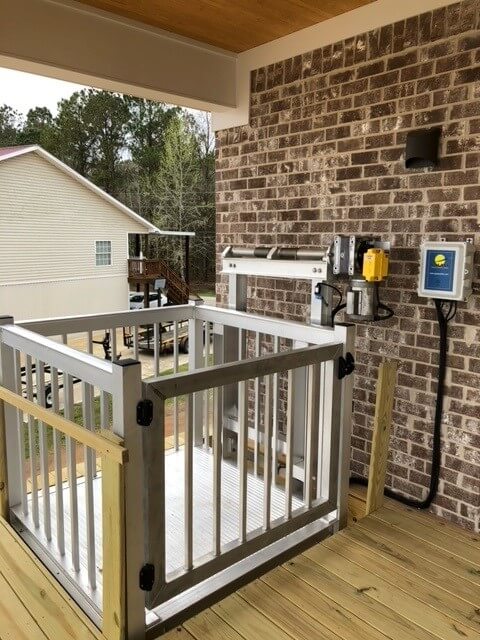
If you’re looking for an elevator for your residential home, then you may be wondering what kind of elevator is best for you. There are many different types of elevators on the market, but one type that is becoming increasingly popular is the vertical platform lift.
But what exactly is a vertical platform lift? And why might it be the best elevator for your residential home?
Let’s take a look at what vertical platform lifts are, why they’re becoming so popular as the best elevator for your residential home, and some of the reasons why you should consider choosing Ascend for your elevator needs.
According to Wikipedia
A wheelchair lift, also known as a platform lift, or vertical platform lift, is a fully powered device designed to raise a wheelchair and its occupant in order to overcome a step or similar vertical barrier.
Wheelchair lifts can be installed in homes or businesses and are often added to both private and public vehicles in order to meet accessibility requirements laid out by disability acts. These mobility devices are often installed in homes as an alternative to a stair lift, which only transport a passenger and not his/her wheelchair or mobility scooter.
Difference Between Vertical vs Inclined Platform Lifts
With the number of people in the United States that have some form of mobility impairment, it’s no surprise that there is an increasing demand for elevator options that can accommodate wheelchairs and other mobility devices.
When it comes to residential elevators, vertical and inclined platform lifts are two of the most popular options. But what’s the difference between these two types of home elevators?
What Is a Vertical Platform Lifts?
A vertical platform lift is a type of elevator that moves straight up and down, without the need for a horizontal travel component. This makes them ideal for people who use wheelchairs or other mobility devices, as there is no need to transfer from their wheelchair to a chair or seat in order to use the elevator.
How Does a Vertical Platform Lift Work?
A vertical platform lift typically consists of a platform that is raised and lowered using a hydraulic or pneumatic system. When the platform is not in use, it will usually be stored in a pit at the bottom of the elevator shaft.
Some vertical platform lifts also have an enclosed cabin, which can provide a higher level of comfort and privacy for users.
SUMMARY
Vertical platform lifts for wheelchairs and power chairs provide access to raised porches, decks, and other elevated areas.
What Are the Benefits of Vertical Platform Lifts?
With the increasing number of searches for “wheelchairs home elevators Louisiana,” vertical platform lifts came to the spotlight. But why exactly? Here are some of the benefits of choosing a vertical platform lift for your home elevator:
- Easy and Safe to Use
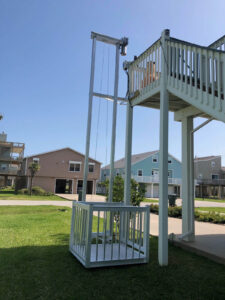 Vertical platform lifts are very easy and safe to use, even for people who have limited mobility or are wheelchair users. This is because of the simple design of the elevator, which only requires the user to press a button in order to operate it.
- Low Maintenance
Another benefit of vertical platform lifts is that they require very little maintenance. This type of residential elevator is typically very reliable and can last for many years with proper care and maintenance because there are no moving parts that can wear out over time.
- Cost-Effective
Another reason why vertical platform lifts are becoming so popular is that they are a very cost-effective elevator solution. When compared to other types of home elevators, vertical platform lifts are typically much more affordable. This is due to the simple design of the elevator, which requires fewer materials and labor to install.
- Compact Size
Another advantage of vertical platform lifts is that they are very compact in size. This means that they can be installed in homes or buildings with limited space, such as small apartments or condos, and those that have no room for a separate machine room.
What Is an Inclined Platform Lift?
Another well-known residential elevator in Louisiana is an inclined platform lift. This is a type of elevator that moves on an incline, rather than straight up and down like a vertical platform lift. This type of elevator is typically used in stairwells or other areas where there is not enough space for a traditional elevator.
How Does an Inclined Platform Lift Work?
An inclined platform lift consists of a platform that is raised and lowered using a track system. This type of elevator for residential home typically has a motorized drive system that pulls the platform up the incline.
What Are the Benefits of Inclined Platform Lifts?
There are many benefits of choosing an inclined platform lift for your home elevator needs, including:
- Easy to Install
Inclined platform lifts are very easy to install, as they do not require a pit or an elevator shaft. This makes them ideal for homes or buildings that do not have the space for a traditional elevator.
- Easily Maintained
Since inclined platform lifts have few moving elements that could break down over time, they also require extremely minimal maintenance.
- Affordable
The fact that inclined platform lifts are a fairly affordable alternative to elevators is another factor contributing to their increasing popularity. Inclined platform lifts are frequently substantially less expensive than other kinds of home elevators.
4 Types of Vertical Platform Lifts
Now that you know all about the basic components and benefits of vertical platform lifts, it’s time to learn about the different types of vertical platform lifts that are available. Here are four of the most popular types of vertical platform lifts that you should consider for your elevator needs:
- Unenclosed Vertical Platform Lift
An unenclosed vertical platform lift, as the name suggests, is an elevator that does not have an enclosed cabin. This type of elevator is typically used in commercial or industrial applications. This is one of the residential elevators that offers the most versatility in terms of installation, as it can be installed indoors or outdoors.
- Enclosed or Hoistway Vertical Platform Lift
An enclosed or hoistway vertical platform lift is an elevator that has an enclosed cabin. This type of elevator is typically used in residential applications. Enclosed elevators offer a higher level of safety and security than unenclosed elevators, as they cannot be accessed by unauthorized personnel.
A residential elevator manufacturer offers many different types of enclosed vertical platform lifts. Vacuum elevators, pneumatic elevators, and hydraulic elevators are some of the most popular types of enclosed vertical platform lifts.
Vacuum elevators use a vacuum system to raise and lower the elevator platform, while pneumatic elevators use air pressure to accomplish this task. We also have pneumatic vacuum elevators where both systems are used.
Hydraulic elevators are the most popular type of enclosed elevator, as they are very efficient and offer a smooth ride.
- Portable Vertical Platform Lift
A portable vertical platform lift is an elevator that can be easily moved from one location to another. Typically, this kind of elevator is employed in residential or business settings. If you require an elevator but lack the space for a permanent installation, portable elevators are a perfect solution.
Some common types of portable vertical platform lifts are wheelchair lifts, stair lifts, and scooter lifts.
Wheelchair lifts are designed to transport wheelchair users up and down stairs. Stair lifts are designed to transport people up and down stairs. Scooter lifts are designed to transport scooters or other small vehicles up and down stairs. This type of elevator can also be used to transport goods between floors.
- Inclined Platform Lift
An inclined platform lift is an elevator that is installed at an angle. This type of home elevator is typically used in residential applications. An inclined vertical platform lift is also great for places where space is limited, as they can be installed in a corner or against a wall.
How Are Vertical Platforms Used?
When it comes to choosing a vertical platform elevator, it is important to first consider how the elevator will be used. Here are some common uses for vertical platform elevators:
- To transport people with disabilities
One of the most common uses for vertical platform elevators is to transport people with disabilities. Whether it’s a wheelchair user or a person with limited mobility, a vertical platform elevator can make it easier for them to get around.
Home elevators like pneumatic elevators and hydraulic elevators are a great option for those who need an elevator to get around their home. These types of elevators offer a smooth ride and can be installed in a variety of locations.
Although a residential elevator cost can be a bit higher than some of the other options, they are definitely worth the investment.
- To transport goods between floors
Another common use for vertical platform elevators is to transport goods between floors. Whether you need to move boxes or furniture, a vertical platform elevator can make it easier.
Commercial settings like warehouses and factories often use vertical platform elevators to move goods between floors. These types of cable-driven elevators are typically larger and can handle heavy loads.
- To provide access to hard-to-reach places
Vertical platform elevators can also be used to provide access to hard-to-reach places. Whether it’s a second-story balcony or a rooftop deck, a vertical platform elevator can help you get there.
Scissor lifts and inclined platform lifts are two types of elevators that are often used to provide access to hard-to-reach places. Scissor lifts offer a higher level of stability and can be used in a variety of locations. Inclined platform lifts are a great option for those who need an elevator but don’t have the space for a traditional one.
- To provide access to an outdoor area
There are always those times when you need to get to an outdoor area but there’s no easy way to do it. Whether it’s a second-story deck or a rooftop patio, a vertical elevator cab can help you get there.
And if you’re planning to have a home with up to five floors, cable-driven elevators are worth considering to save you the hassle of going up and down the stairs every time.
- To provide emergency evacuation in the event of a fire or other disaster
Some natural disasters like earthquakes and hurricanes can make it difficult to evacuate a building. If you live in an area that is prone to these types of disasters, it’s important to have a plan in place in case of an emergency. A vertical platform elevator can be a great way to evacuate a building quickly and safely.
What Are The Common Features of Vertical Platforms?
Before investing in any elevator company, and even with more expensive custom elevators, you must first know the features that come with a vertical platform elevator. These features include:
- A variety of sizes and colors
Most vertical platform elevator companies offer a variety of sizes and colors to choose from. Whether you need a small elevator for your home or a large one for your business, you should be able to find what you’re looking for.
- A variety of control options
When it comes to elevator controls, you have a few different options. You can choose from push buttons, keypads, or even remote controls. Some elevators also come with voice-activated controls.
Typically, an elevator requires a pit or machine room, but a machine room-less elevator is a great option for those who want to save space. These types of elevators don’t require a separate machine room.
- A variety of safety features
Safety is always a top priority when it comes to elevators. Most vertical platform elevator companies offer a variety of safety features, such as emergency stop buttons and automatic doors.
You must also look for home elevators that have safety features like secure landing doors, which prevent people from falling out of the elevator. You should also look for an elevator that has an emergency power source in case of a power outage.
- A variety of power options
When it comes to powering your elevator, you have a few different options. You can choose from electric, hydraulic, or pneumatic power.
Pneumatic vacuum elevators are a great option for those who want an elevator that doesn’t require a separate power source. These types of elevators are powered by air pressure, so they’re very energy-efficient.
- A variety of installation options
Most elevator companies offer a variety of installation options. Whether you need a traditional elevator or a more unique one, you should be able to find what you’re looking for. Load bearing wall installation and machine room-less installation are two popular installation options.
Aside from installation, you should also look for repair and maintenance services. Ascend offers elevator repair services for all types of elevators, so you can rest assured that your elevator will be in good hands.
Learn More About Vertical Platforms & Inclined Platform Lift
Getting a vertical platform elevator is a big decision. There are a lot of things to consider before making your final decision. With so many different elevator companies out there, it can be hard to know which one to choose.
That’s why it’s important to do your research and learn as much as you can about vertical platform elevators before making a final decision. That way, you can be sure you’re getting the best elevator for your needs.
If you’re interested in learning more about vertical platform lifts and inclined platform lifts, we encourage you to contact us today. We would be happy to answer any questions you have and help you find the perfect elevator for your home or business.
Ascend is the leading provider of quality residential and commercial elevator solutions in Dallas Fort Worth. We offer a wide range of elevator products, including vertical platform lifts, that are designed to meet the unique needs of our customers.
Contact us today to learn more!